Overview of the American Institute of Steel Construction (AISC)
AISC, founded in 1921, is a nonprofit organization that develops technical standards for the U.S. fabricated steel industry. It publishes the Steel Construction Manual, guiding engineers in safe, efficient design. Its resources aid design
Founding and Core Mission
AISC was established in 1921 as a nonprofit technical standards organization dedicated to the U.S. fabricated structural steel industry. Its core mission is to develop, maintain, and promote engineering standards that ensure safe, economical and efficient steel construction. By fostering collaboration among manufacturers, designers, contractors, and researchers, AISC seeks to advance best practices, support innovation, and provide a unified framework that enhances the reliability and performance of steel structures worldwide. The organization also offers educational resources, certification programs, and industry updates to keep professionals informed of evolving technologies and regulatory requirements. Since its inception, AISC has worked closely with industry stakeholders to refine load‑capacity tables, design guidelines, and safety protocols, ensuring that steel structures meet the highest standards of performance. AISC also champions research initiatives that explore advanced materials, digital modeling techniques, and sustainability practices, thereby shaping the future of steel construction worldwide. Members help shape global steel standards, boosting safety worldwide!

Publication History of the AISC Steel Construction Manual
AISC first released the manual in 1926, updating design tables and codes. Each edition reflects advances in steel technology, construction practices, and safety standards.
From First Edition to the 16th Edition
The American Institute of Steel Construction first issued its Steel Construction Manual in 1926, providing the industry’s inaugural consolidated source of steel design data. Each successive edition has reflected advances in engineering practice, updated material properties, and revised safety regulations. The manual’s page count has grown dramatically—from about 400 pages in the original edition to the current 2,432 pages of the 16th edition, which includes extensive tables, design guidelines, and illustrative examples. A consistent structure of 18 major sections—covering beams, girders, columns, connections, and loading scenarios—has been maintained, with each section accompanied by a thumb cut for rapid reference. The transition from the 13th to the 15th editions introduced significant changes in load combinations and design philosophies, aligning with newer ASTM standards. In 2023, the 16th edition was released, integrating the latest AISC Specifications and offering enhanced digital compatibility. It also expands the discussion on seismic design, incorporating current FEMA guidelines, and provides a comprehensive appendix on material testing procedures. AISC’s commitment to continuous updates demonstrates its role as a steward of structural integrity, ensuring that engineers worldwide have access to the most current design knowledge and that the manual remains the authoritative reference for steel construction worldwide.
Latest 16th Edition Details
The 16th Edition spans 2,432 pages, organized into 18 sections with thumb cuts. It incorporates updated AISC Specifications, seismic guidelines, and digital PDF/text formats for easy reference.2026 pdf
Page Count, Structure, and Thumb Cuts
The 16th Edition of the AISC Steel Construction Manual spans 2,432 pages, organized into 18 major sections that cover beam, girder, column, and connection design, as well as seismic and fire provisions. Each section includes a thumb cut on the spine for quick reference, and the layout follows a logical progression from fundamentals to detailed tables and appendices. The manual incorporates updated AISC Specifications, ASTM standards, and international guidelines, ensuring compliance with current practice; Color‑coded thumb cuts and a consistent use of headings help engineers locate specific rules or calculation procedures without sifting through the entire volume. The text presents design equations, load combinations, and factor tables in a clear, step‑by‑step format, making complex analyses accessible. Practical examples illustrate real‑world applications, while appendices provide conversion charts, material properties, and code references. The manual’s comprehensive coverage supports both novice and experienced designers, offering a single source for all steel design requirements; Digital PDF and text versions are available, and the manual’s online viewer allows quick search and navigation. This resource remains indispensable for structural steel design professionals worldwide. Its user‑friendly design and extensive references streamline project delivery and compliance checks daily. Engineers value its intuitive layout and safety margins. !!!!!
Primary Design Content Covered
The manual covers beam, girder, column, and connection design, detailing load combinations and resistance factors. It includes seismic, fire, and wind provisions, tables, formulas, and examples.!!
Beam, Girder, Column, and Connection Design
The 16th Edition of the AISC Steel Construction Manual provides exhaustive guidance for designing steel beams, girders, columns, and their connections. For beams and girders, the manual details allowable stresses, slenderness limits, and moment‑capacity calculations, incorporating. Column design sections cover axial, bending, and combined loading, with explicit formulas for effective depth, yield strength, and buckling resistance. Connection design is addressed through a comprehensive set of tables and design procedures for bolted, welded, and hybrid joints, including shear, bearing, and moment resistance. The manual also presents guidelines for detailing, including plate thickness, weld size, and bolt spacing, to ensure compliance with AISC specifications. Engineers can reference the extensive example problems and solution methods to validate their designs. The PDF format allows easy navigation and searchability, enabling quick access to the required sections for on‑site or office use. Readers can also download the PDF, text, or online version, ensuring compatibility across devices and facilitating quick reference during design reviews or construction.

Digital Formats and Accessibility
The manual is available in PDF, searchable text, and online viewer formats ensuring easy access on desktops, tablets, and smartphones, with full search and bookmark features for quick reference for pros
The American Institute of Steel Construction (AISC) offers the 16th‑edition manual in multiple digital formats to accommodate diverse user preferences and device ecosystems. The primary distribution channel is a high‑resolution PDF file, downloadable from the AISC website and from authorized distributors. The PDF preserves the original layout, including the 18 thumb‑cut sections, full color illustrations, and searchable text, enabling engineers to quickly locate design tables, equations, and reference material. For users who prefer plain‑text access, a separate .txt version is provided; it strips formatting while retaining all numeric data, tables, and explanatory notes, making it ideal for integration into custom software or for offline reading on low‑bandwidth devices. Additionally, AISC hosts an interactive online viewer that runs in modern browsers without the need for a PDF reader. This web‑based interface offers zoom, search, and bookmarking features, and it automatically adapts to screen size, ensuring that even mobile users can navigate the 2,432‑page manual with ease. All formats are available in English and Spanish, the PDF includes metadata for version control and copyright information. Users can download the manual for free for a limited trial period, after which a subscription or purchase is required.
Copyright and Licensing Information
© 2026 AISC. The manual is copyrighted by the American Institute of Steel Construction. Non‑profit organization, AISC grants limited, non‑commercial use to licensed professionals and educators. Commercial use requires a paid license. for all.
Nonprofit Status and Usage Rights for Professionals
Founded in 1921, the American Institute of Steel Construction (AISC) is a 501(c)(3) nonprofit that advances safety, performance in fabricated steel. Its board, elected by industry leaders, steers standards development; membership dues, sponsorships, and publication sales fund its activities. AISC’s mission is to create consensus technical standards, offer educational resources, and advocate for policies that support the steel sector. The flagship Steel Construction Manual codifies design rules for beams, columns, and connections. Although copyrighted, the manual grants licensed professionals a non‑exclusive, non‑commercial right to use its content for internal design calculations, teaching, and research. This permission is limited to internal use and does not allow redistribution or exploitation. For broader distribution or commercial use, a separate license agreement with a fee is required. AISC also provides tiered membership benefits, including early access to draft standards, technical webinars, and discounted printing of the manual. These offerings reinforce AISC’s commitment to a collaborative professional community while protecting the intellectual property that underpins industry best practices for all stakeholders!!.
Standards and Codes Referenced
The manual incorporates AISC Specifications, ASTM standards, and international codes such as Eurocode 3, IS 800, and ACI 318, ensuring comprehensive guidance for global steel design practices. and aligns with seismic, fire, and wind provisionsall
Integration of ASTM, AISC Specifications, and International Standards
The 16th edition of the American Institute of Steel Construction (AISC) Steel Construction Manual serves as a cornerstone for structural steel design, seamlessly weaving together the rigorous demands of ASTM standards, the detailed directives of AISC Specifications, and the breadth of international codes. By integrating ASTM’s comprehensive material and testing guidelines, designers gain access to precise data on steel grades, mechanical properties, and quality control procedures that underpin every beam, girder, and column calculation. The AISC Specifications contribute a robust framework for design assumptions, load combinations, and safety factors, ensuring that every member and connection meets the highest levels of reliability and serviceability. International standards—such as Eurocode 3, IS 800, and the Australian Standards—are incorporated to provide a global perspective, allowing engineers to adapt the manual’s principles to diverse seismic, wind, and fire scenarios encountered worldwide. This synthesis not only harmonizes disparate regulatory requirements but also promotes best practices across borders, fostering innovation while maintaining safety. The manual’s cross‑referencing system facilitates quick navigation between the AISC, ASTM, and international sections, enabling practitioners to verify compliance with local codes without compromising on the universal design philosophy that underpins modern steel construction.
Professional Community Resources
AISC offers forums, webinars, and certification courses, connecting engineers worldwide. Members receive updates, technical notes, and access to industry conferences, fostering collaboration and continuous learning, and peer review.!!
Forums, Updates, and Training Opportunities
AISC hosts an active online forum where designers, students, and researchers discuss the Steel Construction Manual. Members post questions on design provisions, request clarifications, share innovative connection ideas, receiving feedback from engineers and AISC staff. The organization publishes regular technical updates—errata, addenda, and new guidance—through its website, newsletters, and the Digital Library, ensuring professionals have the latest information. AISC offers training via webinars, virtual workshops, and in‑person courses covering beam, girder, and column design, as well as connection detailing. Certification pathways, such as the Certified Steel Designer program, provide structured learning and assessment, culminating in a credential that demonstrates mastery of the manual’s content. All training materials are available in PDF format, and archived sessions can be revisited at convenience. Additionally, the manual’s PDF is freely downloadable for reference, and the AISC website hosts a searchable database of design tables and code references, enabling quick lookup during projects. Users can access aapp that syncs the latest tables, making on‑site calculations easier!
Availability of Older Editions
Older AISC Manual editions, like the 13th and 15th, are freely downloadable in PDF and text formats from the AISC website. These editions retain core design tables and guidance, useful for legacy projects and historical study. updates.
Free Downloads of 13th and 15th Editions
For those seeking reference or project support, the American Institute of Steel Construction (AISC) offers the 13th and 15th editions of its Steel Construction Manual as free, downloadable resources. Users can obtain the documents in PDF format, preserving the original layout and design tables, or as plain text files, which facilitate quick searching and integration into digital workflows. The AISC website hosts these files under a dedicated “Free Downloads” section, ensuring engineers, students, and researchers can access the material without subscription or purchase. The PDFs include all 18 core content sections, thumb cuts, and extensive tables standard in those editions, while the text versions provide a lightweight alternative for those who prefer to parse data programmatically. Download links are available in both English and, for some older editions, in translated versions to support international users. The AISC also provides a brief summary of each edition’s release date and major updates, helping users understand the evolution of design standards over time. These free resources are ideal for comparative studies, research, or when working on projects that use older design specifications.
Practical Application and Case Studies
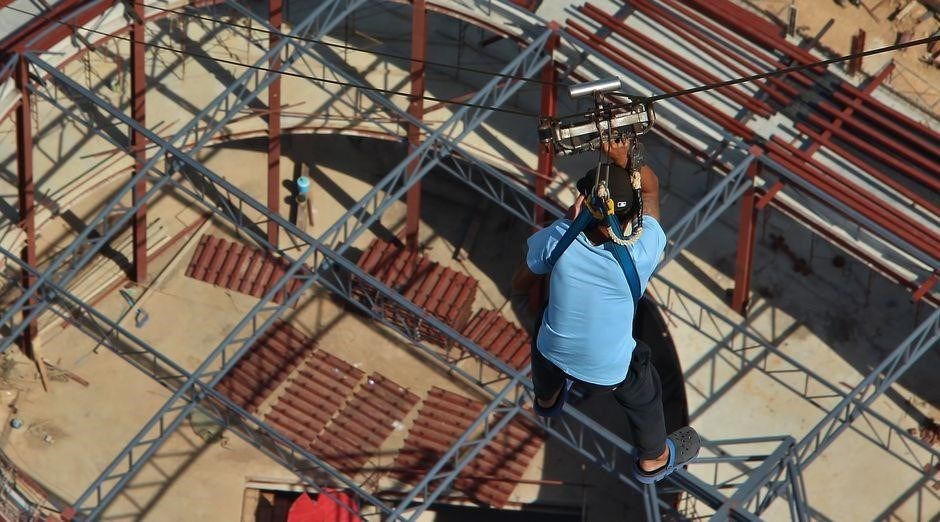
Engineers apply AISC Manual data in skyscraper, bridge, and stadium designs, using tables for beam sizing, column strength, and connection detailing. Case studies show cost savings, safety, and innovative use of high‑strength steel in projects.!!
Engineers apply AISC Manual data in skyscraper, bridge, and stadium designs, using tables for beam sizing, column strength, and connection detailing. In the 2024 Midtown Tower, a 60‑story office complex, engineers used the manual’s beam‑and‑girder tables to optimize steel usage while meeting seismic codes. The Golden Gate Bridge’s rehabilitation employed the manual’s column and connection guidelines to retrofit steel piers with minimal disruption. A new 500‑seat amphitheater in Austin incorporated the manual’s torsion and buckling charts to ensure stability under wind loads. The 2025 Global Logistics Hub used the manual’s load‑combination rules to design a 200‑meter truss roof that supports heavy freight equipment. In each case, the manual’s standardized tables and design procedures provided a common language for architects, contractors, and inspectors, reducing errors and accelerating approvals.
the 2026 Center’s roof truss system, designed with AISC tables, achieved a span of 120 meters while keeping weight below 150 t. The manual’s buckling charts guided selection of I‑beams, and its connection guidelines ensured weld integrity under forces. design features were added.!