
Today, February 1st, 2026, we embark on a bonus lesson exploring the Fruit of the Spirit, focusing on Galatians 5:22-23, with a free printable PDF available!
This foundational lesson introduces children to the nine characteristics—love, joy, peace, and more—manifested through the Holy Spirit’s power, shaping virtuous lives․
What is the Fruit of the Spirit?
The Fruit of the Spirit isn’t about producing individual good deeds, but rather a natural outflow of a life transformed by the Holy Spirit․ It’s a holistic expression of God’s character blossoming within believers, as detailed in Galatians 5:22-23․
This isn’t something we create ourselves; it’s a gift! The lesson emphasizes that the Spirit cultivates these qualities – love, joy, peace, patience, kindness, goodness, faithfulness, gentleness, and self-control – within us․
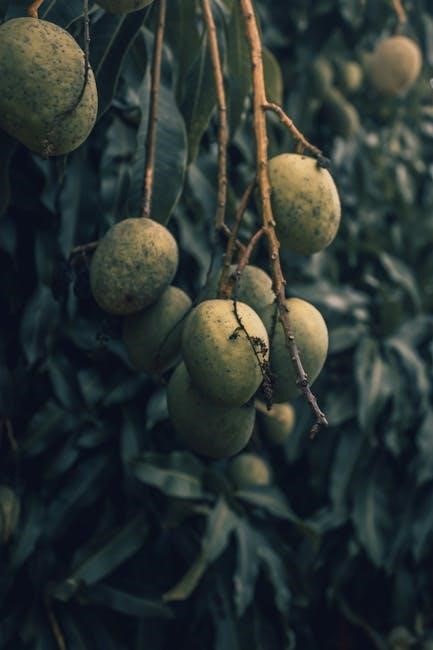
A fruit of the spirit lesson pdf often illustrates this with the analogy of a tree; good fruit comes from a healthy tree, just as good character comes from a Spirit-filled life․ It’s a beautiful contrast to the “works of the flesh,” highlighting a transformed existence․
The Biblical Basis: Galatians 5:22-23
Galatians 5:22-23 serves as the cornerstone for understanding the Fruit of the Spirit․ This passage explicitly lists the nine qualities: love, joy, peace, patience, kindness, goodness, faithfulness, gentleness, and self-control․ It’s a direct revelation of what a life empowered by the Holy Spirit looks like․
Many a fruit of the spirit lesson pdf will highlight the contrast presented in this chapter – the stark difference between living according to the flesh and living according to the Spirit․ The verse isn’t simply a list, but a declaration of transformation․
Understanding this biblical foundation is crucial․ It emphasizes that these aren’t optional extras, but inherent results of a genuine relationship with God, readily available through faith and reliance on the Holy Spirit’s power․
Importance for Children’s Spiritual Growth
Introducing the Fruit of the Spirit to children is paramount for their spiritual development․ A fruit of the spirit lesson pdf can be instrumental in laying this foundation․ It provides a tangible framework for understanding Christian character, moving beyond simply avoiding “bad” behavior to actively cultivating positive traits․
These qualities aren’t innate; they’re grown through a relationship with God․ Teaching children this empowers them to recognize the Holy Spirit’s work within them, fostering humility and dependence on God’s grace․
Early exposure helps shape their hearts and minds, equipping them to navigate challenges with love, patience, and kindness, ultimately reflecting Christ’s character in their daily lives․

Understanding Each Fruit Individually
Delving into each aspect – love, joy, peace, patience, kindness, goodness, faithfulness, gentleness, and self-control – a fruit of the spirit lesson pdf aids comprehension․
Love: The Foundation of the Fruit
Love, as described in Galatians 5:22, is the very first fruit of the Spirit, serving as the cornerstone for all the others․ A fruit of the spirit lesson pdf can beautifully illustrate this concept for children, explaining that God’s love isn’t simply a feeling, but a choice to show kindness and compassion;
It’s about treating others as we want to be treated, even when it’s difficult․ This foundational love isn’t earned; it’s freely given by God and, through the Holy Spirit, we can learn to extend it to everyone around us․ Discussing practical examples – sharing, forgiving, and helping – within a lesson pdf will help kids grasp this vital principle․
Emphasize that loving others reflects God’s love for them, creating a powerful connection and demonstrating a life transformed by faith․ Love empowers all other fruits to flourish․
Joy: Experiencing God’s Happiness
Joy, the second fruit of the Spirit in Galatians 5:22, isn’t merely fleeting happiness; it’s a deep-seated contentment rooted in our relationship with God․ A well-crafted fruit of the spirit lesson pdf can help children understand this distinction, explaining that true joy persists even during challenging times․
It’s a gift from the Holy Spirit, a peaceful assurance that God is with us and working all things for good․ The lesson pdf should include activities that demonstrate how gratitude and focusing on blessings cultivate joy․ Discuss how praising God and helping others can amplify this inner happiness․
Emphasize that God’s joy isn’t dependent on circumstances, but on His unwavering presence in our lives, offering a constant source of strength and peace․
Peace: Inner Tranquility and Harmony
Peace, as the third fruit of the Spirit (Galatians 5:22), transcends the absence of conflict; it’s a profound inner tranquility and harmony that stems from a trusting relationship with God․ A comprehensive fruit of the spirit lesson pdf should illustrate this concept, explaining how God’s peace surpasses all understanding․
This peace isn’t simply a feeling, but a divine provision that guards our hearts and minds in Christ Jesus․ The lesson pdf can incorporate activities that teach children to surrender their worries and anxieties to God through prayer․ Discuss how forgiveness and resolving conflicts contribute to inner peace․
Highlight that God’s peace is a constant companion, offering comfort and strength even amidst life’s storms, fostering a sense of calm and security․
Patience: Enduring Difficulties with Grace
Patience, often described as long-suffering, is the fourth fruit of the Spirit (Galatians 5:22), and a vital component of Christian character․ A well-structured fruit of the spirit lesson pdf should emphasize that patience isn’t simply waiting, but enduring difficulties with a gracious and positive attitude, reflecting God’s own patience towards us․
The lesson pdf can include relatable scenarios where children face frustrations – waiting in line, learning a new skill, or dealing with sibling rivalry․ Discuss how responding with patience, rather than anger or frustration, honors God․
Explain that patience is cultivated through reliance on the Holy Spirit, allowing Him to strengthen us to persevere through challenges with grace and understanding․
Kindness: Showing Compassion to Others
Kindness, the fifth fruit of the Spirit (Galatians 5:22), embodies genuine compassion and a heartfelt desire to bless others․ A comprehensive fruit of the spirit lesson pdf should illustrate kindness as more than politeness; it’s actively seeking ways to show love and care, mirroring Christ’s example․
The lesson pdf can feature practical examples: helping a friend, offering a comforting word, or sharing possessions․ Discuss how small acts of kindness can have a significant impact, brightening someone’s day and reflecting God’s love․
Emphasize that kindness isn’t dependent on how others treat us, but a consistent outflow of a heart filled with the Holy Spirit․ Encourage children to intentionally practice kindness daily․

Goodness: Living a Virtuous Life
Goodness, as the sixth fruit of the Spirit (Galatians 5:22), signifies a life characterized by moral excellence and virtuous behavior․ A well-structured fruit of the spirit lesson pdf should explain that goodness isn’t simply avoiding bad things, but actively doing what is right and pleasing to God․
The lesson pdf can present scenarios where children must choose between right and wrong, emphasizing honesty, integrity, and a commitment to ethical living; Discuss how goodness reflects God’s own character and draws others to Him․
Highlight that goodness is cultivated through a relationship with the Holy Spirit, empowering us to resist temptation and consistently choose the path of righteousness․ Encourage children to strive for goodness in all they do․
Faithfulness: Remaining Loyal and Trustworthy
Faithfulness, the seventh fruit (Galatians 5:22), embodies unwavering loyalty, reliability, and trustworthiness in all aspects of life․ A comprehensive fruit of the spirit lesson pdf should illustrate that faithfulness isn’t just about keeping promises, but about consistently demonstrating commitment to God and others․
The lesson pdf can explore biblical examples of faithful individuals – like Ruth or David – and discuss how their loyalty impacted their lives and the lives of those around them․ Emphasize that God is always faithful, even when we are not․
Encourage children to practice faithfulness in small ways – completing chores, keeping their word, and remaining devoted to their faith, understanding it’s a reflection of God’s character․
Gentleness: Demonstrating Humility and Respect
Gentleness, as outlined in a helpful fruit of the spirit lesson pdf, isn’t weakness, but strength under control․ It’s about treating others with kindness, humility, and respect, mirroring Christ’s compassionate nature․ This fruit encourages thoughtful interactions and avoiding harshness․
The lesson pdf should present scenarios where children can practice gentleness – resolving conflicts peacefully, speaking softly, and showing empathy․ Discuss how gentleness differs from being a “doormat,” emphasizing respectful assertiveness․
Highlight biblical figures known for their gentle spirits, like Moses (Numbers 12:3)․ Explain that gentleness reflects a heart yielded to the Holy Spirit, fostering harmonious relationships and a peaceful environment․

Self-Control: Disciplining Our Desires
A comprehensive fruit of the spirit lesson pdf should clearly define self-control as the ability to manage our thoughts, words, and actions, aligning them with God’s will․ It’s not suppression, but disciplined freedom, resisting temptations and making wise choices․

The lesson pdf can utilize relatable examples for children: resisting a second cookie, sharing toys, or controlling anger․ Discuss how self-control empowers us to honor God and build strong character․ Emphasize that relying on the Holy Spirit is crucial for developing this fruit․
Present Galatians 5:23, highlighting self-control as a vital component of spiritual maturity․ Explain that practicing self-control isn’t easy, but with God’s help, it’s attainable․
Teaching Methods & Resources
Utilize age-appropriate explanations, visual aids, and engaging activities, alongside a fruit of the spirit lesson pdf, to effectively convey these spiritual truths to children․
Age-Appropriate Explanations
For preschoolers, focus on simple definitions – love is sharing, joy is smiling! Use colorful pictures and relatable scenarios․ A fruit of the spirit lesson pdf can offer pre-made visuals․
Elementary-aged children can explore each fruit in more detail, discussing how it looks in everyday life․ Encourage them to share personal examples․ Utilize interactive games․
Older children can analyze the contrast between the fruit of the Spirit and sinful nature (Galatians 5)․ Facilitate discussions about challenges and applying these virtues․ A detailed pdf resource will be helpful․
Remember to adapt your language and examples to their developmental stage, ensuring comprehension and engagement with the lesson’s core message․
Utilizing Visual Aids & Activities
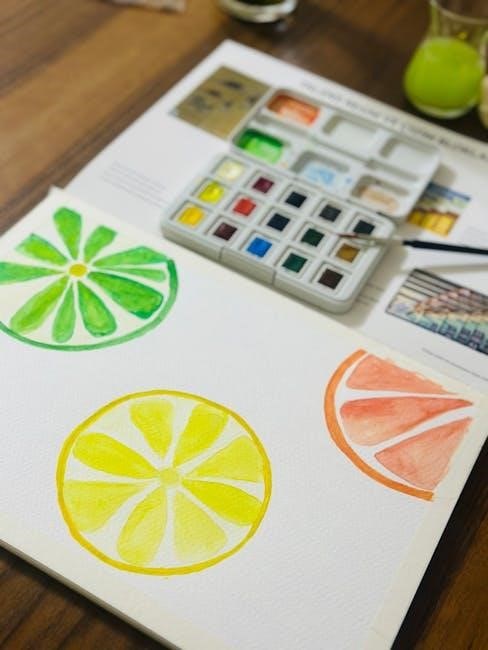
Enhance learning with vibrant visuals! A fruit of the spirit lesson pdf often includes printable charts depicting each characteristic․ Consider creating a “fruit salad” craft, representing the combined virtues․
Role-playing scenarios are effective – act out kindness, patience, or self-control․ Utilize object lessons, like a plant needing nurturing to grow, mirroring spiritual growth․
Games like “Fruit Matching” (matching virtues to actions) or a “Good Deed Chain” reinforce positive behavior․ Incorporate songs and stories illustrating the fruits in action․
Don’t underestimate the power of drawing or coloring activities․ These provide creative outlets for children to express their understanding of each fruit․
Free Printable PDF Resources for Lessons
Numerous websites offer a fruit of the spirit lesson pdf packed with valuable resources! Treehouse Schoolhouse and PursueGODkids․org provide downloadable materials, including coloring pages, activity sheets, and memory verse cards․
Look for PDFs containing circle-the-correct-word exercises, like identifying the fruits listed in Galatians 5:22-23․ Many resources include lesson plans tailored for different age groups, simplifying preparation․
Search for printable games, such as matching activities or scripture puzzles, to reinforce learning․ Some PDFs offer craft ideas and object lesson suggestions, enhancing engagement․
Utilize these free resources to create a comprehensive and interactive lesson, fostering a deeper understanding of the Holy Spirit’s transformative power in young hearts․
Applying the Fruit of the Spirit
The Fruit of the Spirit, explored via a lesson pdf, translates into daily life—showing kindness, practicing patience, and demonstrating self-control in all situations!
Practical Examples for Kids

Utilizing a Fruit of the Spirit lesson PDF, demonstrate love by sharing toys or helping a friend․ Joy can be shown through thankful attitudes, even when facing challenges․ Encourage peace by resolving conflicts calmly and respectfully․
Patience is practiced while waiting turns or completing tasks․ Kindness shines through acts of service, like writing a thank-you note․ Goodness means making positive choices and avoiding harmful behavior․
Faithfulness involves keeping promises and being reliable․ Gentleness is displayed through soft words and considerate actions․ Finally, self-control helps resist temptations and make wise decisions․ These examples, found within the lesson PDF, make abstract concepts relatable for young learners․
Dealing with Challenging Situations
A Fruit of the Spirit lesson PDF can equip children to navigate difficult moments․ When feeling angry, practice patience and self-control instead of reacting impulsively․ If someone is unkind, respond with kindness and gentleness, mirroring God’s love․
When facing disappointment, remember joy comes from a deeper source than circumstances․ Encourage faithfulness in friendships, even when disagreements arise․ Promote goodness by choosing to forgive and seek peaceful resolutions․
The lesson PDF emphasizes that the Holy Spirit empowers us to exhibit these fruits, even when it’s hard, fostering inner peace and resilience amidst life’s challenges․ These skills build character and spiritual strength․
The Role of the Holy Spirit in Developing Fruit
A Fruit of the Spirit lesson PDF clarifies that these qualities aren’t produced by our own efforts, but by the Holy Spirit working within us․ Galatians 5:22-23 highlights the Spirit is love, joy, peace – not something we manufacture․
The lesson emphasizes that we “walk in the Spirit” (Galatians 5:25) by surrendering to His guidance, allowing Him to cultivate these virtues in our lives; It’s a process of cooperation, not perfection․
The PDF can illustrate this with examples: we can’t force patience, but we can ask the Spirit to help us respond calmly․ Understanding this reliance on the Spirit is crucial for genuine spiritual growth and transformation․

Memory Verse & Reinforcement
Galatians 5:25 serves as a key verse, reinforced through games and activities within the Fruit of the Spirit lesson PDF, aiding memorization!
Galatians 5:25 as a Key Verse
Galatians 5:25 – “If we live in the Spirit, let us also walk in the Spirit” – is central to understanding and embodying the Fruit of the Spirit․ This verse, often included in the fruit of the spirit lesson PDF, emphasizes a consistent lifestyle aligned with the Holy Spirit’s guidance․
It’s not merely about having the Spirit, but actively living according to His principles․ This verse provides a powerful reminder that the characteristics of love, joy, peace, patience, kindness, goodness, faithfulness, gentleness, and self-control aren’t achieved through willpower alone, but through a Spirit-led existence․
Utilizing this verse within lessons encourages children to reflect on how their daily actions demonstrate a life “walked in the Spirit,” fostering a deeper connection with God and a practical understanding of spiritual growth․ The PDF often includes activities centered around this verse․
Games and Activities to Memorize Scripture
Engaging games are vital for memorizing Galatians 5:25 and other related scriptures found within a comprehensive fruit of the spirit lesson PDF․ Activities like scripture charades, where children act out phrases, or a “verse puzzle” using index cards, make learning fun․
Consider a “memory verse relay race,” dividing children into teams to collaboratively recite the verse․ Printable worksheets from the PDF can include fill-in-the-blank exercises or matching games․ “Sword drills,” quickly locating the verse in the Bible, also reinforce memorization․
These interactive methods cater to different learning styles, ensuring children not only memorize the words but also grasp their meaning․ A reward system, like stickers or small prizes, can further motivate participation and solidify scripture retention․

Assessment & Follow-Up
Utilize the fruit of the spirit lesson PDF’s true/false questions and circle-the-correct-word exercises to identify growth areas in understanding and application․
Identifying Growth Areas
Utilizing the fruit of the spirit lesson PDF provides valuable insights into each child’s comprehension․ Observe participation during activities and review completed worksheets, specifically focusing on the true/false and circle-the-correct-word sections․
Note which fruits consistently present challenges – are children struggling with patience, kindness, or self-control? This pinpointing allows for targeted follow-up․
Consider individual conversations to understand underlying difficulties․ Perhaps a child understands the concept of faithfulness but struggles to demonstrate it consistently․
The PDF’s assessment tools aren’t about grading, but about guiding further instruction and fostering spiritual development, ensuring each child flourishes in exhibiting these vital qualities․