Cessna 172 Skyhawk Maintenance Manual: A Comprehensive Plan
This manual details essential parking and maintenance practices for the Cessna 172. It references the Cessna 206T service manual for progressive maintenance, covering inspections and component upkeep.
Maintaining a Cessna 172 Skyhawk requires a diligent and systematic approach to ensure continued airworthiness, safety, and operational reliability. This manual serves as a comprehensive guide for owners, operators, and maintenance personnel involved in the upkeep of these popular aircraft. Proper maintenance isn’t merely about adhering to schedules; it’s a commitment to preventative care, addressing potential issues before they escalate into costly repairs or, more importantly, compromise flight safety.
The Cessna 172, powered by either Continental or Lycoming engines, demands specific attention to detail. While routine inspections are crucial, they are not exhaustive. A thorough understanding of Cessna’s Progressive Maintenance Program, detailed starting on page 5-12-00 of the 206T service manual, is paramount. This program provides a framework for a more in-depth and proactive maintenance strategy.
This manual will cover everything from parking procedures and leveling techniques to detailed component inspections, engine maintenance, and airframe repair. It also addresses the physical demands of the work and the importance of proper training in airworthiness and analysis. Ultimately, the goal is to provide a resource that promotes safe, efficient, and cost-effective maintenance practices for the Cessna 172 Skyhawk.
II. Understanding Maintenance Schedules
Cessna 172 maintenance schedules are not one-size-fits-all; they are dynamically influenced by factors like aircraft age, engine type (Continental or Lycoming), and operational usage – the “operating mission” significantly impacts wear and tear. These schedules encompass both calendar and hourly intervals, demanding meticulous record-keeping to ensure compliance.
Routine inspections, while vital, represent only a portion of the required maintenance. A complete inspection extends beyond a simple walk-around; it necessitates a detailed examination of numerous components, guided by the Progressive Maintenance Program outlined in the Cessna 206T service manual (starting on page 5-12-00). This program advocates for a proactive approach, anticipating potential issues rather than reacting to failures.
Periodic maintenance services, including hourly and calendar inspections, are essential for maintaining airworthiness. These services often involve the replacement of major aircraft components. Understanding the interplay between these schedules, coupled with adherence to approved maintenance practices, is crucial for safe and reliable operation. Proper scheduling minimizes downtime and optimizes the aircraft’s lifespan.
III. Routine Inspection Checklist
A comprehensive routine inspection of the Cessna 172 is paramount for identifying potential issues before they escalate. This checklist focuses on a visual examination, covering eight key sections, ensuring no area is overlooked. Begin with a thorough walk-around, inspecting the fuselage for any signs of damage, corrosion, or deformation.
Next, meticulously examine the flight control surfaces – ailerons, elevator, and rudder – for freedom of movement, security of attachment, and any fabric or skin irregularities. Pay close attention to hinges and control cables. Inspect the landing gear, tires, and brakes for wear, proper inflation, and hydraulic leaks.
The engine compartment requires detailed scrutiny, checking fluid levels (oil, coolant), fuel lines for leaks, and the condition of belts and hoses. Don’t forget the propeller and spinner. Finally, verify the functionality of lights, antennas, and pitot-static system. This checklist is a starting point; always refer to the official Cessna maintenance manual for a complete and detailed procedure.
IV. Progressive Maintenance Program (Based on Cessna 206T Manual)
The Cessna 172’s maintenance can be significantly enhanced by adopting principles from the Cessna 206T’s progressive maintenance program, detailed starting on page 5-12-00 of its service manual. This approach moves beyond simple routine checks, focusing on a more structured and detailed inspection schedule.
Unlike a basic inspection, a progressive program involves a systematic breakdown of aircraft components, with each inspection delving deeper into specific systems. This allows for early detection of wear and tear, preventing costly repairs down the line. It emphasizes a continuous monitoring process, tracking component life and scheduling maintenance proactively.
Implementing this program requires meticulous record-keeping and adherence to the 206T manual’s guidelines. While adapted for the 172, the core principles of detailed component inspections and scheduled replacements remain vital. This proactive strategy ultimately improves aircraft reliability, safety, and long-term value, extending its operational lifespan.
V. Parking and Leveling Procedures
Proper parking and leveling are fundamental to Cessna 172 maintenance, safeguarding the aircraft from potential damage and ensuring accurate servicing. These procedures, outlined as maintenance practices, begin with selecting a suitable hard surface to minimize stress on the landing gear and prevent sinking.
Leveling is crucial for accurate fluid level checks and maintenance tasks. Lateral leveling, specifically, requires careful attention to ensure the aircraft is perfectly aligned. Utilizing appropriate tools and equipment is paramount; the manual details specific methods for achieving this precision.
Consideration must be given to wind direction and potential hazards when parking. Chocking the wheels is essential, particularly on sloped surfaces. Regular inspection of the parking area for debris is also vital. Following these procedures diligently contributes to the aircraft’s overall longevity and operational readiness, preventing unnecessary wear and tear.
VI. Tools, Equipment, and Materials
Maintaining a Cessna 172 necessitates a comprehensive suite of tools, equipment, and materials. This includes standard aviation tool sets, torque wrenches calibrated to specific specifications, and specialized instruments for engine and airframe inspections. Accurate leveling, a critical aspect of maintenance, relies on dedicated leveling tools.
Essential materials encompass a range of fluids – oils, lubricants, hydraulic fluids – all conforming to Cessna’s approved product list. Consumables like gaskets, O-rings, and corrosion inhibitors are also vital. Proper storage of these materials is crucial to prevent contamination and ensure their effectiveness.
Furthermore, safety equipment such as safety glasses, gloves, and appropriate lifting gear are indispensable. Detailed documentation outlining the required tools and materials for each maintenance task is paramount, ensuring technicians have everything needed for safe and efficient operations. Adherence to these standards guarantees quality workmanship.
VII. Lateral Leveling Techniques
Achieving precise lateral leveling is fundamental during Cessna 172 maintenance, impacting the accuracy of various inspections and repairs. This process ensures the aircraft is perfectly aligned with the horizontal plane, eliminating discrepancies caused by uneven surfaces.
Techniques involve utilizing precision levels placed strategically along the aircraft’s fuselage and wings. Technicians meticulously adjust support stands until the bubble in the level centers, indicating a perfectly horizontal position. Careful attention must be paid to wing root and fuselage attachment points.
Proper leveling isn’t merely about visual alignment; it’s about establishing a stable and accurate platform for work. This is particularly crucial when performing engine maintenance, control surface adjustments, or airframe repairs. Consistent application of these techniques guarantees the integrity and safety of the aircraft post-maintenance.
VIII. Aircraft Component Inspections
Comprehensive aircraft component inspections are vital for maintaining the Cessna 172’s airworthiness. These inspections extend beyond routine walk-arounds, demanding a detailed examination of critical systems and structures.
Key areas include the wings – checking for corrosion, cracks, and proper control surface operation. Landing gear requires scrutiny of struts, tires, and brake systems. The tail section necessitates inspection of the rudder, elevator, and associated cables.
Engine components, including cylinders, magnetos, and fuel lines, undergo thorough checks for wear and leaks. A visual inspection checklist, covering eight numbered sections, aids technicians in systematically assessing the aircraft. Remember, a routine or detailed inspection isn’t a complete inspection; adherence to the Cessna 206T progressive maintenance program (starting on page 5-12-00) is crucial for a truly comprehensive assessment.
IX. Engine Maintenance (Continental & Lycoming)
Maintaining the Continental or Lycoming engine in a Cessna 172 requires diligent adherence to manufacturer’s specifications and scheduled maintenance intervals. Regular oil changes, utilizing the correct grade and type, are paramount for longevity.
Spark plug inspections and replacements are critical, alongside magneto checks to ensure proper ignition timing. Fuel system maintenance includes inspecting fuel lines, filters, and the carburetor or fuel injection system for leaks or obstructions.
Cylinder compression tests reveal engine health, while valve adjustments maintain optimal performance. Detailed inspections should cover the engine mount for cracks or corrosion. Remember, maintenance costs vary based on the aircraft’s age, model, and operational use. Periodic services encompass replacing main components and addressing any identified repairs promptly to ensure continued airworthiness and safety.
X. Airframe Inspection and Repair
Comprehensive airframe inspections are vital for the structural integrity of the Cessna 172. These inspections involve a detailed visual examination for corrosion, cracks, and any signs of damage to the skin, spars, ribs, and control surfaces.
Particular attention should be paid to areas prone to stress, such as wing roots and fuselage joints. Fabric covering, if present, requires regular checks for tears, deterioration, and proper tension. Any identified damage must be repaired according to approved data and manufacturer’s guidelines.
Repair procedures range from simple patch repairs to more complex structural replacements. Proper documentation of all inspections and repairs is crucial for maintaining the aircraft’s airworthiness. The work can be physically strenuous, often requiring access to confined spaces or work at heights, demanding strict adherence to safety protocols.
XI. Lifting and Hoisting Procedures
Safe lifting and hoisting are paramount during Cessna 172 maintenance, particularly when removing or installing heavy components like the engine or wings. Procedures detail the precise attachment points for hoists and slings, ensuring balanced weight distribution and preventing structural damage.
Approved lifting equipment, with certified load ratings, must be used, and inspections are required before each lift. Rigging configurations should be carefully planned to avoid stress concentrations on the airframe. Personnel involved must be thoroughly trained in proper lifting techniques and safety procedures.
The documentation outlines specific points on the airplane for attaching these devices, emphasizing the importance of following the prescribed methods. This work can be physically demanding, requiring careful coordination and adherence to weight limits. Regular inspection of lifting gear is essential to maintain operational safety.
XII. Maintenance Organization Approval Schedule

A robust Maintenance Organization Approval (MOA) schedule is critical for ensuring consistent and compliant Cessna 172 maintenance. This schedule outlines the process for approving maintenance facilities and personnel qualified to perform work on the aircraft.
The MOA process involves a thorough evaluation of the organization’s capabilities, including facilities, tooling, training programs, and quality control systems. Regular audits are conducted to verify continued compliance with regulatory requirements and Cessna’s maintenance standards.
Approval is contingent upon demonstrating proficiency in all relevant maintenance tasks, adherence to approved maintenance data, and a commitment to airworthiness. The schedule details the frequency of inspections, renewal requirements, and procedures for addressing any deficiencies identified during audits. Maintaining an approved MOA is essential for legal and safe operation.
XIII. Repair Turnaround Time (RTAT) ー Radome Maintenance
Efficient radome maintenance is crucial for maintaining aircraft performance, and a defined Repair Turnaround Time (RTAT) is paramount. For Cessna 172 radome repairs, a structured RTAT agreement aims to minimize aircraft downtime while ensuring quality workmanship.
Currently, the standard RTAT agreement targets a 60-calendar-day return for radome repairs, translating to approximately 43 working days. This timeframe encompasses the entire process, from initial inspection and damage assessment to repair execution and final quality control checks.
The RTAT is typically broken down into five distinct stages: receiving and assessment, parts procurement, repair work, inspection, and shipping. Adhering to this schedule requires streamlined communication between the maintenance facility and the aircraft owner/operator. Delays can occur due to parts availability or unforeseen damage, necessitating proactive management and clear communication to mitigate disruptions.
XIV. Cost of Aircraft Maintenance
Determining the cost of maintaining a Cessna 172 Skyhawk is a complex undertaking, heavily influenced by numerous variables. A simple, one-size-fits-all answer doesn’t exist; maintenance expenses are remarkably dependent on the aircraft’s age, specific model, and its operational usage profile.
Factors contributing to cost include the frequency of flight hours, the environment in which the aircraft operates (e.g., coastal areas require more corrosion control), and the owner’s commitment to preventative maintenance. Routine inspections, while seemingly minor, accumulate costs over time.

Major maintenance events, such as engine overhauls or airframe inspections, represent significant financial outlays. Parts replacement, labor rates, and the complexity of the repair all contribute. Budgeting for unexpected repairs is also essential, as unforeseen issues inevitably arise. Ultimately, proactive maintenance generally proves more cost-effective than reactive repairs.
XV. Physical Demands of Aircraft Maintenance
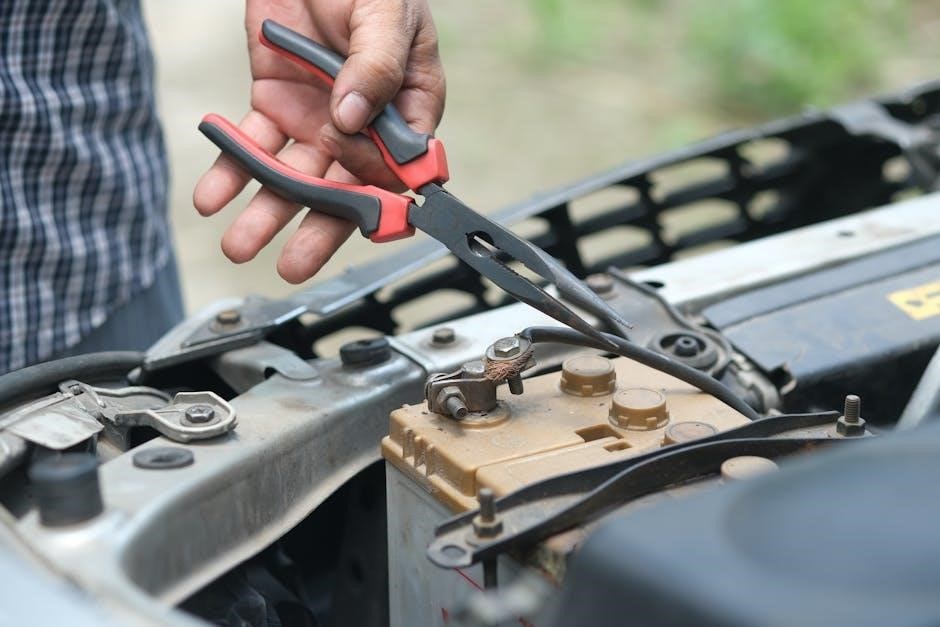
Aircraft maintenance is a physically demanding profession, requiring technicians to navigate a range of challenging conditions. The work frequently involves operating at significant heights, often necessitating the use of ladders or scaffolding to access various aircraft components.
Confined spaces, such as within the wings or fuselage, present additional physical constraints, demanding flexibility and the ability to work in awkward positions. Technicians must also be prepared to work outdoors in diverse weather conditions, including extreme heat, cold, and inclement weather.

The tasks themselves can be strenuous, involving lifting heavy parts, manipulating tools, and maintaining sustained physical exertion. Precision and dexterity are crucial, alongside physical strength and stamina. This combination of factors underscores the importance of physical fitness and proper training for all aircraft maintenance personnel.
XVI. Periodic Maintenance Services
Comprehensive periodic maintenance is vital for ensuring the continued airworthiness and safety of the Cessna 172 Skyhawk. These services encompass a wide spectrum of inspections and repairs performed on both a calendar and hourly basis, dictated by regulatory requirements and manufacturer recommendations.
Routine services include detailed inspections of critical aircraft systems – engine, airframe, flight controls, and avionics – to identify and address potential issues before they escalate. Major component replacements, such as engines, propellers, or landing gear, fall under periodic maintenance as well.
Repair and replacement of various parts, from small fasteners to larger structural elements, are also standard procedures. These services are designed to maintain the aircraft’s structural integrity and operational reliability, adhering to strict quality control standards and documentation protocols. Consistent periodic maintenance is key to a safe and reliable flying experience.
XVII. Airworthiness and Analysis Training
A robust training program focused on airworthiness and analysis is paramount for Cessna 172 maintenance personnel. This program equips technicians with the comprehensive knowledge necessary for professional careers and advanced research within the aviation sector.
The curriculum emphasizes a deep understanding of airworthiness directives, service bulletins, and regulatory compliance. Technicians learn to meticulously analyze aircraft maintenance records, identify potential discrepancies, and accurately assess the airworthiness status of the aircraft.
Training includes detailed study of aircraft systems, failure modes, and effective troubleshooting techniques. Emphasis is placed on the proper application of diagnostic tools and the interpretation of inspection findings. This program prepares individuals to confidently perform thorough inspections, make informed repair decisions, and ensure the continued safe operation of the Cessna 172.
XVIII. Resources and Documentation
Comprehensive resources and meticulous documentation are critical for effective Cessna 172 Skyhawk maintenance. Access to the official Cessna 172 Maintenance Manual (Revision 20) is fundamental, providing detailed procedures and specifications.
Supplementing this, the Cessna 206T service manual offers valuable insights into progressive maintenance programs, particularly for detailed component inspections. Technicians should also utilize applicable Airworthiness Directives (ADs) and Service Bulletins (SBs) issued by Cessna and regulatory authorities.
Maintaining accurate and organized maintenance records is essential, including all inspection reports, repair orders, and component replacement histories. Digital databases and standardized forms streamline documentation. Furthermore, access to online forums and technical support networks can provide valuable assistance and shared knowledge among maintenance professionals, ensuring adherence to best practices and safety standards.